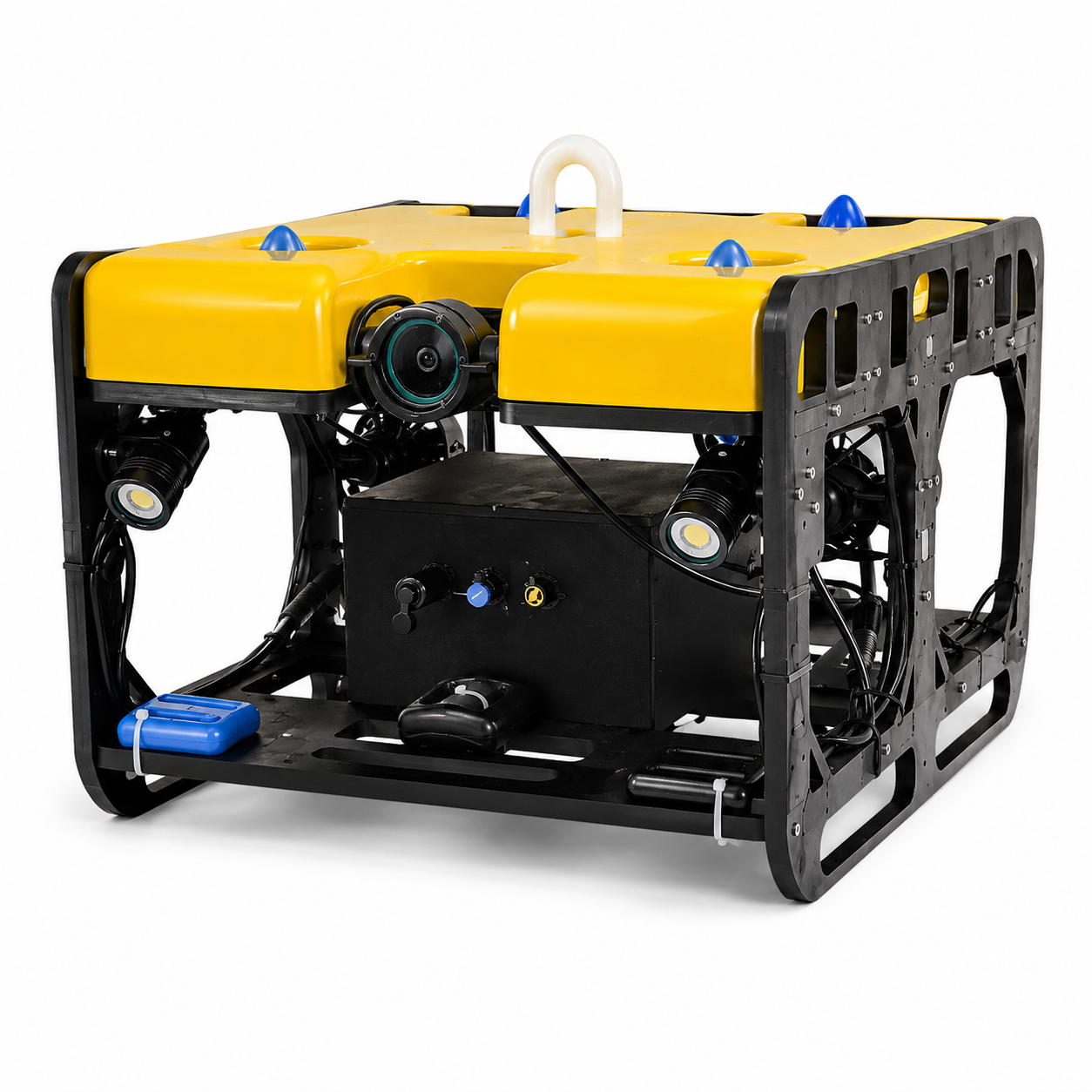
Submerged water‑supply pipelines, drainage conduits and municipal underwater pipelines form critical infrastructure for urban water‑resource systems. Long‑term exposure to lake water, sediment erosion, bio‑fouling and water‑flow impact easily causes pipe joint loosening, wall corrosion, crack leakage and bracket damage. Conventional manual‑diving‑based pipeline inspection faces low working efficiency, high safety risks and limited detection coverage. Remotely Operated Vehicles (ROVs) have become an advanced technical solution to optimize underwater pipeline patrol, streamline routine operation and maintenance (O&M), and deliver reliable inspection outcomes for municipal pipeline projects.
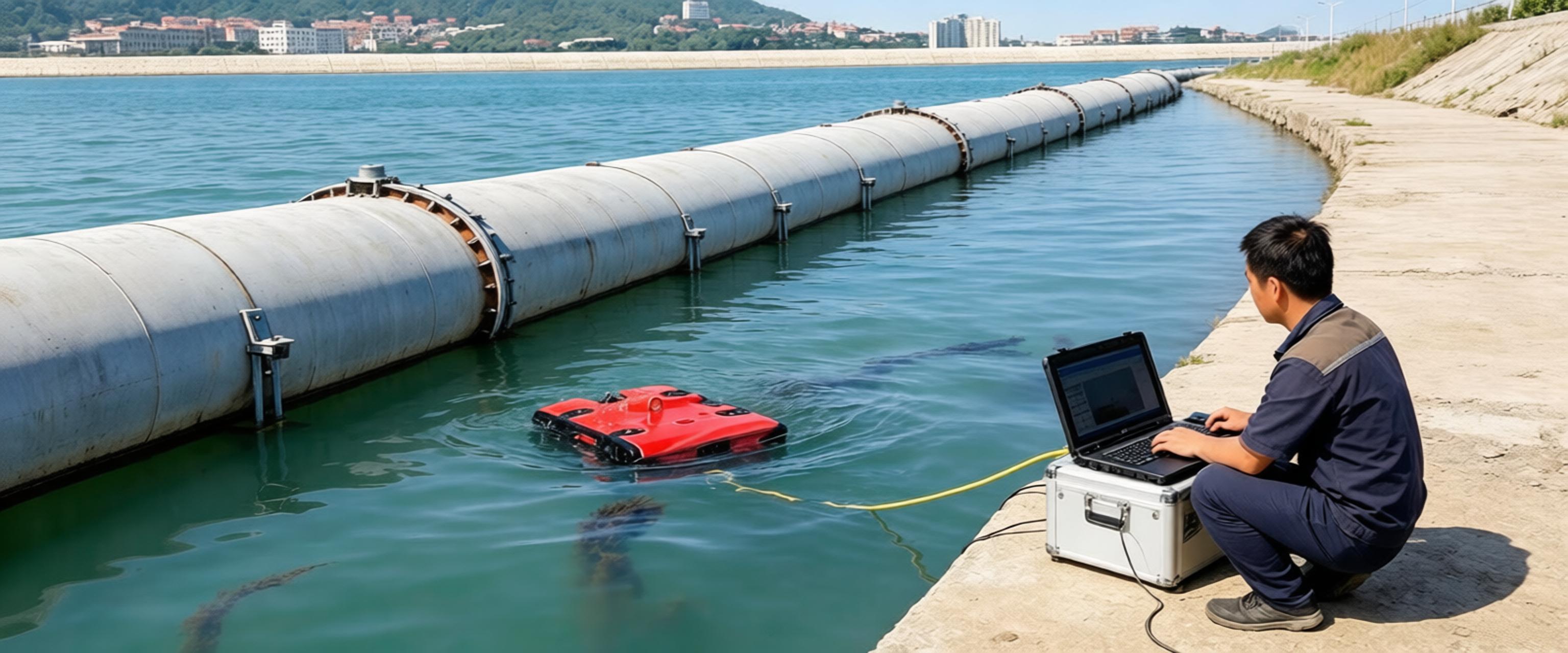
Improved working efficiency stands as the primary merit of ROV‑driven pipeline inspection. Traditional diver‑led surveys require lengthy preparation of diving gear, weather assessment and tide‑condition confirmation, which prolongs inspection cycles. In contrast, the compact‑sized ROV can be rapidly deployed along pipeline embankments. Technicians launch the robot within minutes and conduct continuous tracking scans along the full length of submerged pipelines. The ROV moves along the pipeline surface, checking every pipe joint, support bracket and submerged pipe wall sequentially. It cuts down manual field‑survey time greatly, enabling regular periodic inspections instead of only emergency‑triggered checks, which achieves predictive operation and maintenance.
ROVs optimize underwater pipeline‑O&M workflows while guaranteeing operational safety. Underwater pipeline zones contain hidden risks such as tangled aquatic plants, sharp rust‑edged brackets, soft shifting silt and fluctuating undercurrents. Divers may get trapped, injured or swept away during underwater tasks. With the ROV system, engineers stay safely on the shore and operate the ground‑control station. They monitor real‑time underwater video feeds on‑site, controlling the ROV remotely without diving into the water. Personnel are completely isolated from subsea hazards, which lowers safety accidents during long‑term pipeline‑maintenance tasks.
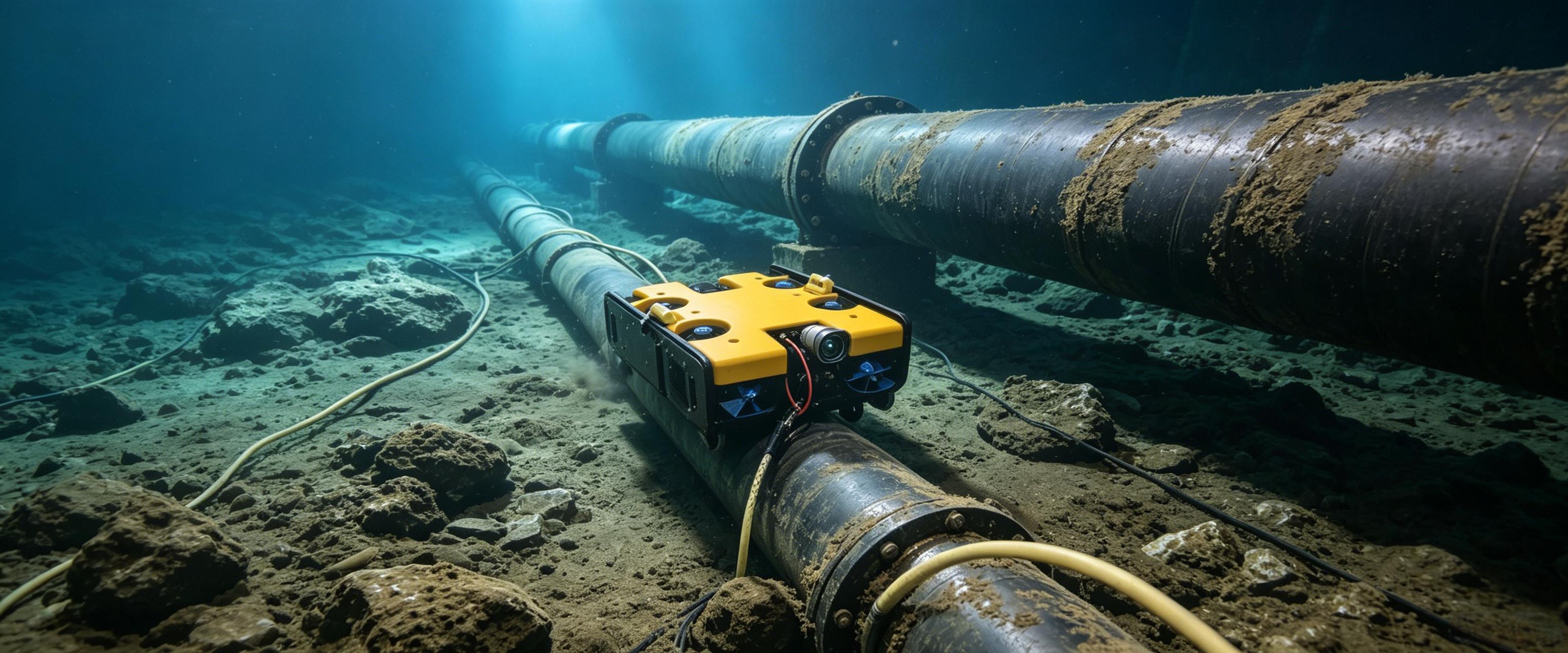
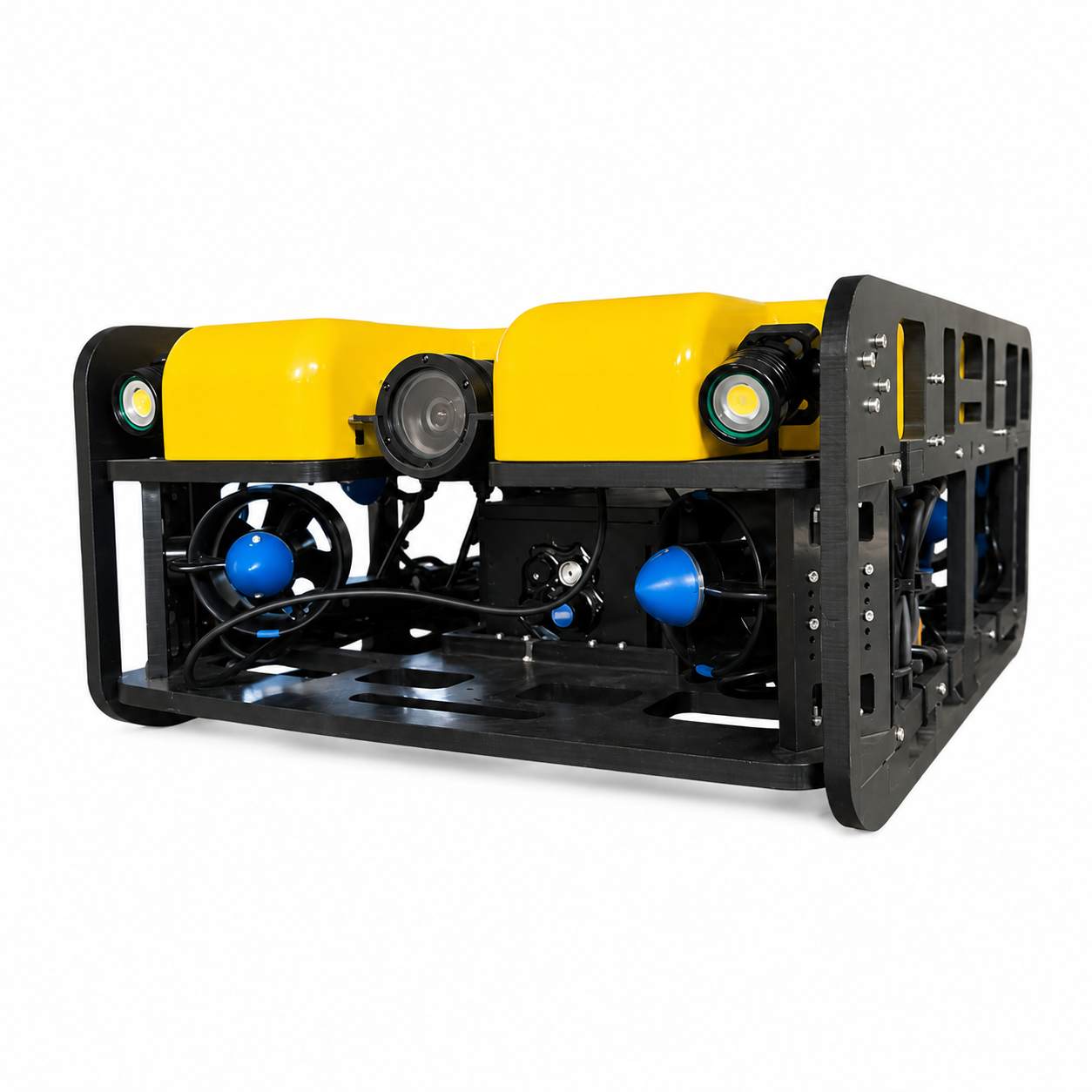
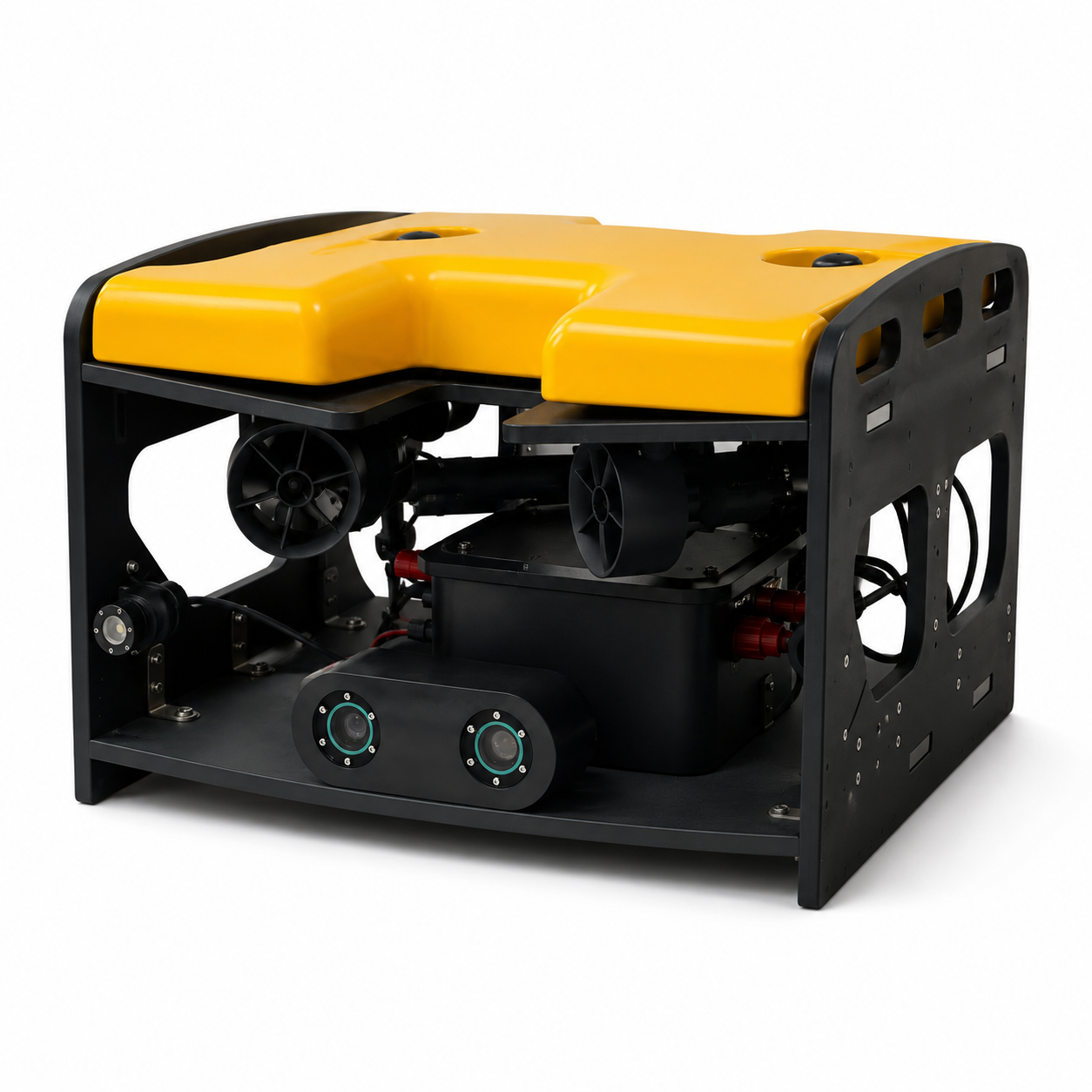
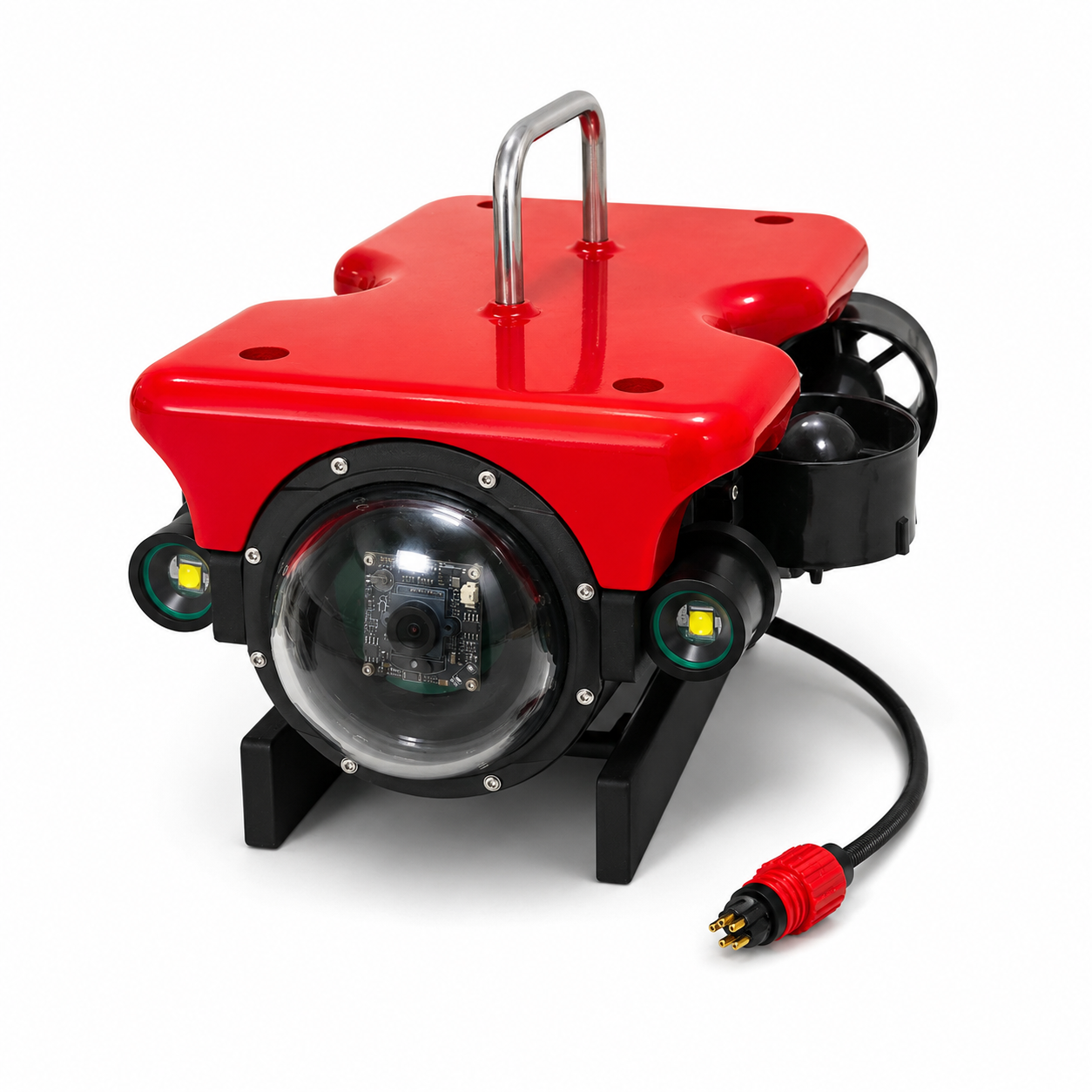
Equipped with high‑definition cameras, high‑brightness LED lights and auxiliary sensors, the industrial‑grade ROV achieves accurate detection and generates tangible inspection results. The high‑power lights penetrate turbid lake water, while high‑resolution cameras capture close‑up footage of pipe seams, corrosion patches, leaking cracks and deformed support frames. All image data is recorded, archived and sorted for later analysis. In this on‑site pipeline‑inspection case, the ROV tracked the long‑submerged municipal pipeline. It identified corroded bolt connections, accumulated sediment around pipe brackets and early‑stage pipe‑wall abrasion. The detailed inspection report helped maintenance teams arrange targeted repairs before small defects developed into severe pipeline rupture and water leakage incidents.
Beyond routine patrol and fault detection, ROVs can be fitted with extra sensors to measure wall‑thickness loss and locate hidden leakage points. It can adapt to reservoirs, inland rivers, coastal sewage pipelines and other complex underwater pipeline‑scenarios.
In summary, underwater ROVs have upgraded the whole pattern of submerged‑pipeline operation and maintenance. By boosting inspection efficiency, streamlining daily O&M procedures and delivering precise, verifiable detection results, ROV‑based technology safeguards stable operation of urban underwater pipe networks. As municipal infrastructure continues expanding, customized underwater robots will play an increasingly vital role in long‑term pipeline health management.